
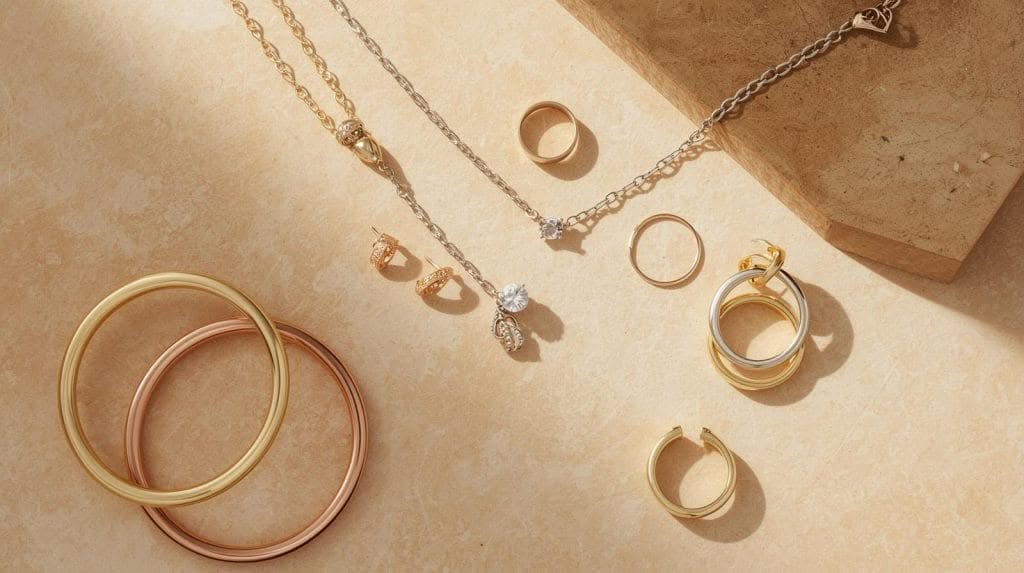
A trend-aware guide to choosing jewellery that feels current without becoming a one-season mistake.
Jewellery trends are useful when they help you notice new proportions, textures and styling ideas. They are less useful when they pressure you into buying pieces that do not suit your wardrobe or lifestyle.
This guide is written for Australian shoppers who want a clear, practical way to compare jewellers, online stores and local workshops. Use it as a pre-shopping checklist, then confirm the current details with the jeweller before you pay.
Quick answer
Start with the reason for the purchase, then compare material, setting, size, returns, care and after-sales support. A piece that looks beautiful online still needs to suit the wearer, the budget and the way it will be maintained.
Start with the wearer and the occasion
Think about whether the piece is for everyday wear, occasional dressing, a proposal, a milestone gift or a repair-sensitive heirloom. That context changes almost every sensible choice, from metal colour to stone hardness and setting height.
If the jewellery is a gift, use what the person already wears as evidence. Their current rings, earrings, watches and necklaces usually tell you more than a trend article can. Look at colour, scale, comfort and how polished or relaxed their style tends to be.
Compare materials before you compare price
Price only makes sense when you know what you are comparing. Solid gold, plated finishes, sterling silver, titanium, platinum, natural gemstones and lab-grown diamonds all behave differently over time. The right choice depends on budget, maintenance tolerance and skin sensitivity.
Ask what the piece is made from, whether stones are natural, lab-grown or simulated, and whether the jeweller can explain care requirements in plain language. Clear answers are a good sign; vague claims should slow the purchase down.
Check service, sizing and aftercare
For rings, the buying decision does not end at checkout. Resizing rules, warranties, cleaning advice and inspection intervals matter because jewellery is small, detailed and exposed to daily knocks. It is worth knowing what happens if the size is wrong or a stone loosens.
If you are choosing a local jeweller, ask whether repairs and resizing are done in-house or sent away. If you are buying online, check how returns work, who pays shipping and whether personalised pieces are excluded.
Match colour to existing jewellery
Yellow gold feels warm and classic, rose gold can soften a design, white gold gives a bright look but may need rhodium maintenance, and sterling silver is accessible but more prone to tarnish.
Mixed metal jewellery can work beautifully when the proportions feel deliberate. It is especially useful for people who already wear both warm and cool tones.
Ask what is solid, plated or bonded
Solid metal, plated finishes and bonded layers have different lifespans. A low price can make sense for a fashion piece, but it should not be confused with solid gold durability.
If the piece will be worn daily, ask how it should be cleaned and whether the finish can be refreshed later.
Use trends as a styling prompt
Bolder earrings, mixed metals, pearls, sculptural rings and layered chains can all refresh a look without requiring a complete jewellery overhaul.
The safest trend buys are pieces that connect with something you already wear. If the new piece needs a whole new wardrobe to make sense, it may not earn much wear.
Spend more on the pieces you will repeat
Trend-led jewellery can be a smart lower-cost purchase when it is about shape or colour. Spend more carefully on everyday rings, chains and earrings where comfort, material and repairability matter.
When in doubt, choose one statement piece and keep the rest simple. That gives the trend room to work without overwhelming your style.
Questions to ask before you buy
- What exactly is the piece made from, and is any part plated, bonded or treated?
- Can the jeweller explain the stone, setting and care instructions without vague sales language?
- What is the resizing, exchange, return or repair process if the piece does not work as expected?
- Does the receipt or paperwork describe the jewellery clearly enough for future repairs, insurance or valuation?
- If buying online, how quickly can the store answer a practical question before purchase?
Where Jewellink fits in
Jewellink is useful when you want to compare a local jeweller with online options. You can start with suburb guides, check nearby services and then use the buying guides to prepare better questions before speaking with a store.
Mistakes to avoid
Most jewellery regrets come from skipping practical checks. A piece may look right in a product photo or display case, but the buying decision should also account for the wearer's routine, care habits and what support is available after purchase.
- Buying a ring without confirming size, resize limits or exchange rules.
- Assuming plated, bonded and solid metals will wear the same way.
- Choosing a delicate setting for a person who is hard on their hands.
- Ignoring return exclusions on earrings, sale items, engraved jewellery and custom work.
- Forgetting to keep receipts, certificates and valuation paperwork in one place.
How to compare two good options
If two jewellers or products both look suitable, choose the one that explains the details more clearly. Strong product information, realistic care guidance and responsive service reduce risk because they show how the jeweller will handle questions after the sale.
For higher-value pieces, it can help to speak with both stores before deciding. Ask the same question of each jeweller and notice who answers specifically. The quality of the answer often tells you more than the polish of the product page.

Helpful next reads
- How to spot a reputable jeweller
- Jewellery repairs: what can be fixed and what it costs
- When you need a jewellery valuation in Australia
- Best suburbs for jewellery shopping in Melbourne
FAQ
Are jewellery trends worth following?
Yes, if they help you find pieces you will actually wear. Avoid buying purely because something is everywhere online.
What trend is easiest to wear?
Layered chains, mixed metals and pearl details tend to be easy to adapt because they work with many wardrobes.
Where to go next
Explore independent studios and custom design jewellers on Jewellink.
Open page Browse jewellery brandsCompare brand store locations and nearby suburbs across Australia.
Open page Search all jewellersCompare retail stores, designers, repairs and valuations in one place.
Open pageMore guides to explore
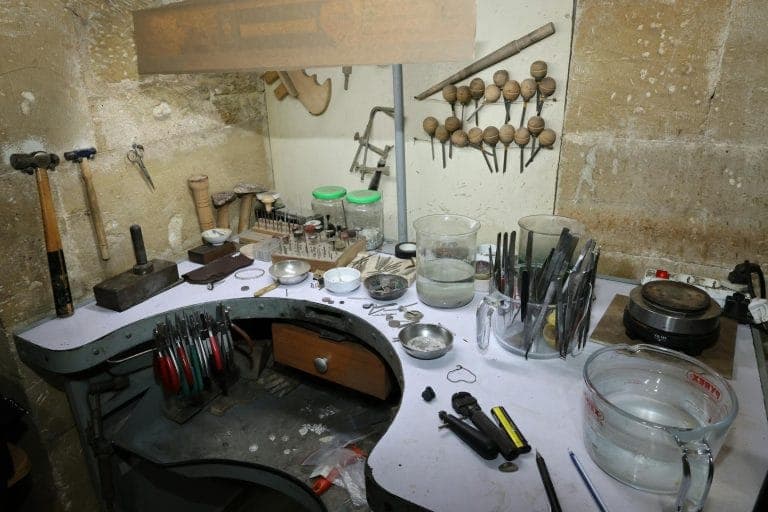
How to Start a Jewellery Business in Australia
A simple starting point for jewellery businesses that want to launch, price properly and get found.
Read guide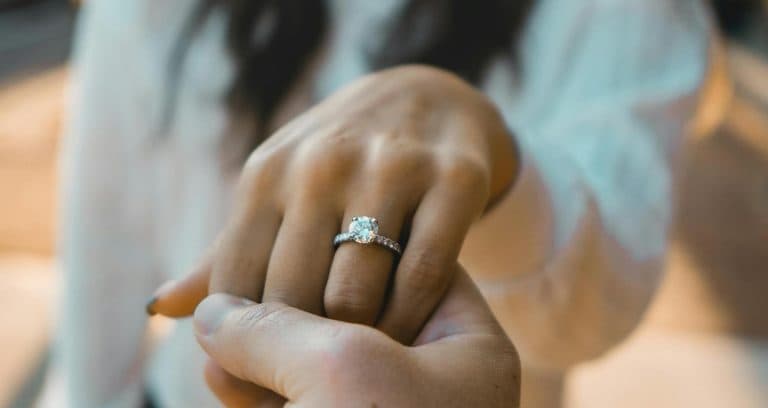
Popular Engagement Ring Styles in Australia
A practical style guide to popular engagement ring designs, wearability and what to compare before buying.
Read guide
Engagement Ring Designers in Parramatta
Explore custom engagement ring designers in Parramatta offering handcrafted rings and diamond consultations.
Read guide
Comments
0 comments
Be the first to comment
Share your thoughts, experience or question below.
Leave a comment
Share your thoughts or ask a question. Your email address will not be published.