
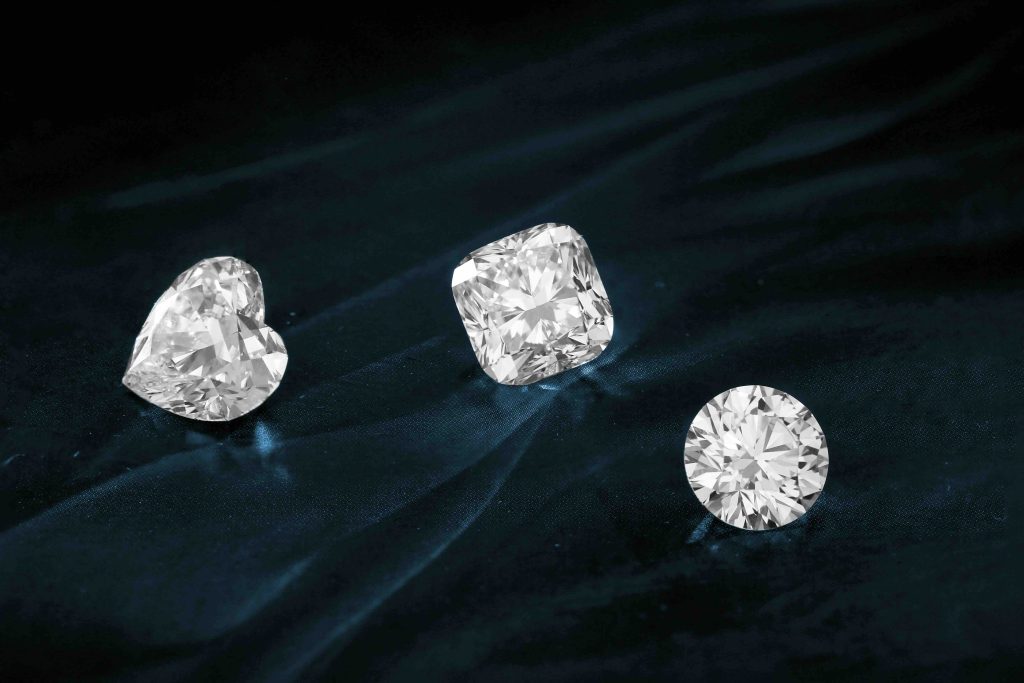
A practical diamond buying guide focused on the questions that help shoppers compare stones with more confidence.
Buying a diamond becomes much easier when you know what to ask. The goal is not to sound highly technical. It is to ask questions that help you understand what you are comparing and whether the option in front of you actually suits the ring you want.
Good questions create clarity fast. They help you see how a jeweller explains the stone, how they think about the setting and whether the recommendation makes sense for your priorities rather than a generic sales script.
Key takeaways
- Good diamond questions are practical, not overly technical.
- The best conversations connect the stone to the finished ring, not just a specification sheet.
- How a jeweller answers can be just as revealing as the answer itself.
Ask what matters most about this diamond
One of the simplest and most useful questions is to ask what matters most about the stone you are looking at. A good jeweller should be able to explain why it is worth considering in clear, visual terms.
That helps you understand the diamond as part of a real buying decision rather than a list of isolated details.
Ask how it compares with similar options
Comparison is where clarity often begins. Ask to see how the diamond differs from another option at a similar budget or in a similar shape. This helps you understand what trade-offs you are actually making.
- How does this stone compare with another at a similar price point?
- What difference would I notice in person?
- What part of the budget is doing the most work here?
Ask how the stone suits the setting
A diamond should not be chosen in isolation. Ask how the stone will work in the setting style you are considering and whether that combination is likely to feel balanced, practical and visually strong.
Ask what they would recommend if it were their own purchase
This is often an excellent final question because it invites the jeweller to move beyond stock explanations and tell you what they genuinely think makes sense. The answer can reveal a lot about how carefully they are guiding the process.
How to compare diamonds more confidently in person
Many buyers understand a topic better once they see real stones or finished rings side by side. That is when the language stops being abstract and starts making sense in visual terms. If you are unsure, ask the jeweller to compare like with like so the difference is easier to read.
The point is not to memorise every technical detail. It is to connect the explanation to what you can actually see and how the final ring will feel in context.
Where shoppers often get stuck
People commonly assume there must be a single technically correct answer. In reality, most diamond decisions are about preference, balance and what matters most within the broader ring design. That is why two buyers can be well informed and still make different choices.
If a comparison starts to feel overwhelming, step back and ask which visual or practical factor matters most to you. That often brings the decision back into focus.
A practical decision framework
Try narrowing the decision in this order: what look you prefer, how the ring should feel overall, how much of the budget should go toward the stone and whether the option still feels right once you see it in a real ring design.
- Choose the visual direction first.
- Compare stones or shapes in a setting context, not isolation alone.
- Use budget as a balancing tool, not the only filter.
Why the right questions matter more than technical memorisation
Readers often worry that they need to sound knowledgeable before they are allowed to ask useful questions about diamonds. In reality, the strongest buying conversations often come from simple practical questions asked at the right moment. Those questions help reveal how the stone compares, how it will look in the final ring and whether the recommendation genuinely suits the buyer.
That is why it is better to focus on understanding than performance. If a jeweller answers clearly and connects the explanation back to what you can actually see, the conversation is doing its job properly.
A simple shortlist method for diamond buyers
If several diamonds still feel plausible, shortlist them by asking which one best matches your intended ring style, budget balance and visual preference. That approach usually works better than trying to declare one option universally best.
Once the shortlist is smaller, you can use more focused questions about setting fit, trade-offs and what the jeweller would recommend if they were making the same purchase themselves.
Frequently asked questions
Do I need to understand every diamond term before buying?
No. You only need enough understanding to compare options confidently and ask useful questions.
Should I compare more than one diamond?
Yes. Side-by-side comparison is often the fastest way to understand what matters most.
What if the jeweller gives a very technical answer?
Ask them to explain it in plain language and connect it back to what you would actually notice in the ring.
Is it okay to ask how a stone suits a setting?
Yes. In fact, that is one of the most useful ways to make the conversation practical.
What is the best next step?
Use Jewellink to compare jewellers and continue the diamond conversation with a clearer shortlist.
Compare diamond jewellers
Use Jewellink to continue the conversation with jewellers who can help you compare stones well.
Where to go next
Compare jewellers, designers and valuation services across Australia.
Open page Browse custom design studiosUseful when you need bespoke work, remodelling or engagement-ring advice.
Open page View repair and valuation servicesCompare practical aftercare services before you visit a jeweller.
Open pageMore guides to explore
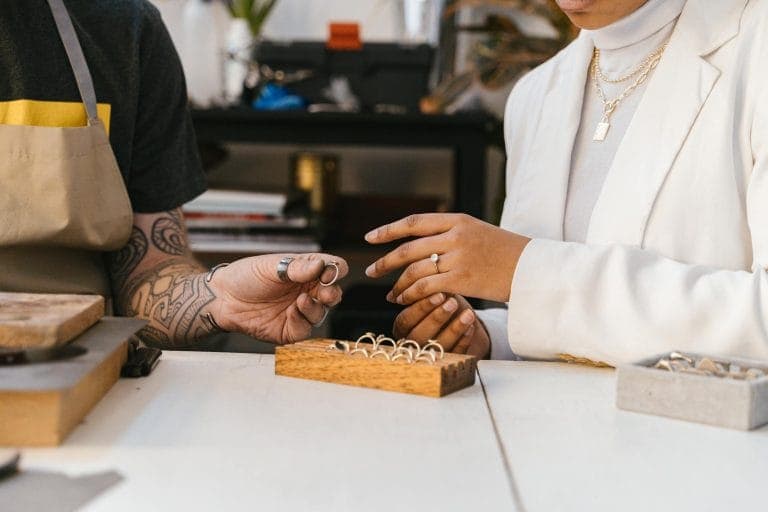
How to Buy an Engagement Ring Without Getting Overwhelmed
A step-by-step guide to buying an engagement ring without second-guessing every detail.
Read guide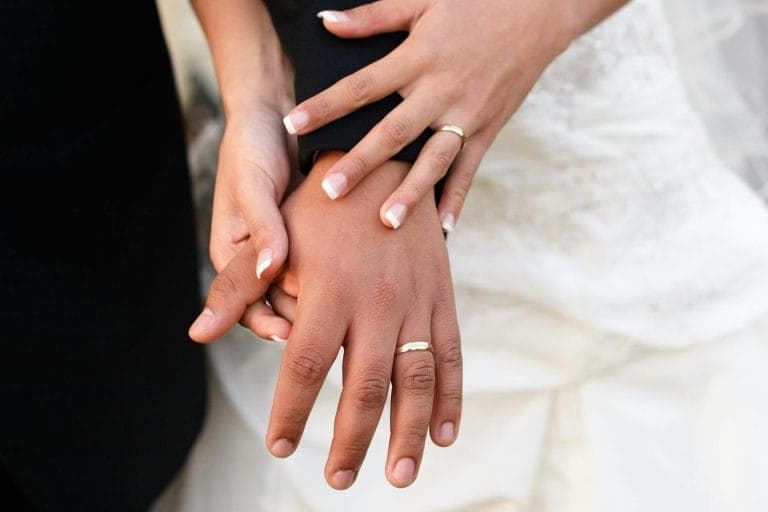
How to Choose a Wedding Band for Your Engagement Ring
A practical guide to matching a wedding band to your engagement ring, with comfort and style in mind.
Read guide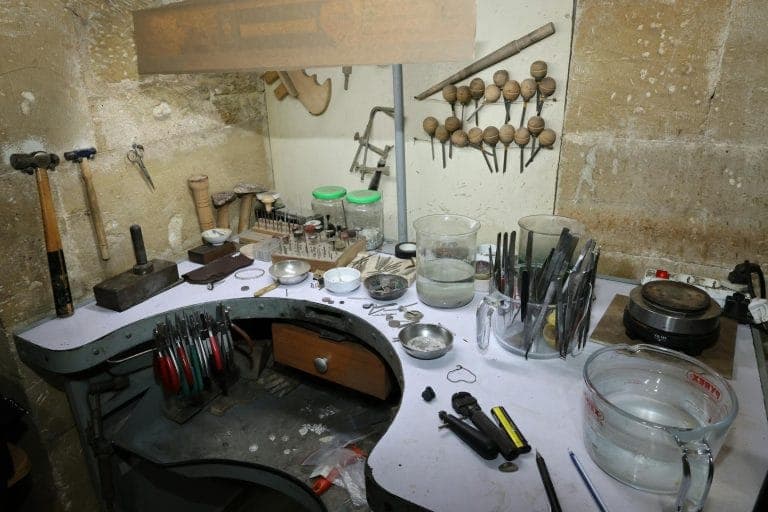
How to Start a Jewellery Business in Australia
A simple starting point for jewellery businesses that want to launch, price properly and get found.
Read guide
Comments
0 comments
Be the first to comment
Share your thoughts, experience or question below.
Leave a comment
Share your thoughts or ask a question. Your email address will not be published.