
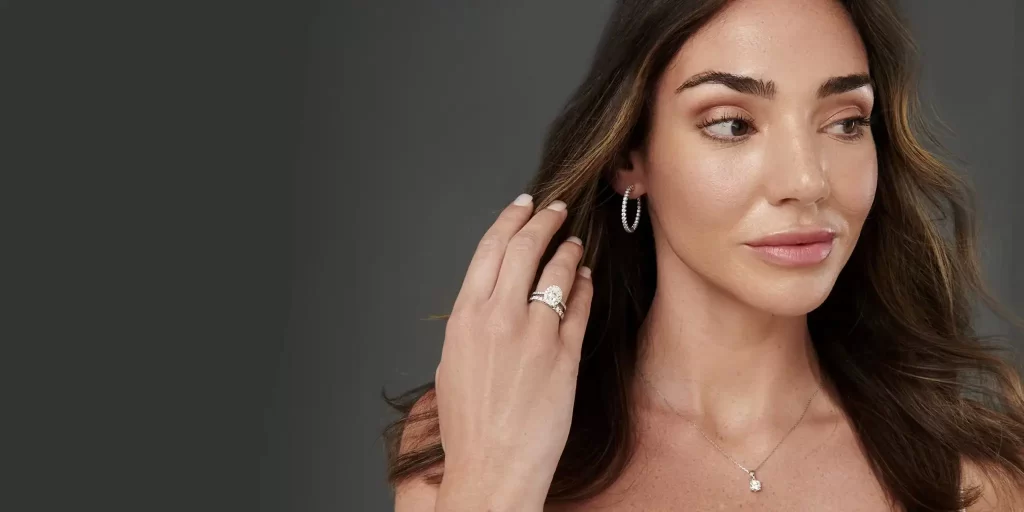
A practical diamond shape comparison for shoppers choosing between oval and round stones.
Oval and round diamonds are two of the most compared shapes in engagement ring shopping because both feel familiar, elegant and versatile. Yet they create noticeably different results once they are set in a real ring.
The easiest way to compare them is to think in terms of personality, presence and practical wear. They may belong to the same decision set, but they rarely feel identical once you look at the full ring.
Key takeaways
- Round and oval diamonds suit different style preferences even when the overall budget is similar.
- Oval shapes can feel more elongated, while round shapes often feel more classic and balanced.
- The best choice depends on the overall ring look you want, not just popularity.
How the look differs
Round diamonds are often chosen for their familiar, classic presence. They tend to feel balanced and timeless in a wide range of settings.
Oval diamonds often feel a little softer and more elongated. They can create a more directional or elegant impression depending on how the rest of the ring is designed.
How each shape changes the ring overall
Because the two shapes present differently on the hand, they can affect the personality of the entire ring. The same setting may feel more classic with a round stone and more contemporary or romantic with an oval.
What to compare in person
Try to compare the shapes in similar settings and scale. That makes it easier to notice how they affect finger coverage, style and overall balance.
- Which shape feels most aligned with the wearer’s style?
- How does each one sit with the setting you prefer?
- Does one option keep standing out for the right reasons?
Which buyers each shape may suit
Buyers who want a classic, familiar look often lean round. Those wanting something elegant with a slightly different silhouette often lean oval. Neither option is more correct. The decision comes back to preference and the complete ring design.
How to compare diamonds more confidently in person
Many buyers understand a topic better once they see real stones or finished rings side by side. That is when the language stops being abstract and starts making sense in visual terms. If you are unsure, ask the jeweller to compare like with like so the difference is easier to read.
The point is not to memorise every technical detail. It is to connect the explanation to what you can actually see and how the final ring will feel in context.
Where shoppers often get stuck
People commonly assume there must be a single technically correct answer. In reality, most diamond decisions are about preference, balance and what matters most within the broader ring design. That is why two buyers can be well informed and still make different choices.
If a comparison starts to feel overwhelming, step back and ask which visual or practical factor matters most to you. That often brings the decision back into focus.
A practical decision framework
Try narrowing the decision in this order: what look you prefer, how the ring should feel overall, how much of the budget should go toward the stone and whether the option still feels right once you see it in a real ring design.
- Choose the visual direction first.
- Compare stones or shapes in a setting context, not isolation alone.
- Use budget as a balancing tool, not the only filter.
How to use the two-shape comparison well
Comparing only two strong options can actually be an advantage. It gives readers enough contrast to notice meaningful differences without getting lost in an endless field of alternatives. If round and oval are the final contenders, the question becomes which one better suits the wearer and the design you want to build around it.
That is why seeing both shapes in realistic settings is so helpful. It turns a technical comparison into a design decision that is much easier to feel and understand.
A final check before deciding
Before deciding, ask which shape still feels right once you factor in the full ring, not just the centre stone. If one option keeps standing out after that broader comparison, it is probably the right direction to trust.
What buyers should notice in person
When you compare oval and round diamonds in person, pay attention to more than the outline. Notice how each stone sits in the setting, how the ring feels on the hand and whether one shape seems to suit the wearer more naturally. Those details often matter more than a purely theoretical shape comparison.
It also helps to step back and look at each ring as a finished design. The shape that feels more convincing in the complete ring is usually the better choice, even if both stones looked appealing on their own.
Frequently asked questions
Is round the safer choice?
It can feel more classic, but the better choice is the one that suits the wearer’s taste and the design you want overall.
Does oval always look larger?
It can give a different visual spread, but the effect depends on the specific ring and how it is viewed.
Should I compare them in the same setting?
Yes. That usually gives the clearest real-world comparison.
Can both shapes work with many ring styles?
Yes. Both are versatile, but they change the overall feel of the ring in different ways.
What is the best next step?
Shortlist jewellers on Jewellink and compare round and oval options in person.
Compare round and oval ring options
Use Jewellink to compare jewellers and continue the shape conversation with real ring examples.
Where to go next
Compare jewellers, designers and valuation services across Australia.
Open page Browse custom design studiosUseful when you need bespoke work, remodelling or engagement-ring advice.
Open page View repair and valuation servicesCompare practical aftercare services before you visit a jeweller.
Open pageMore guides to explore

Mazzucchelli’s Chapter 123 Collection: Seven Diamond Designs Explained
A neutral overview of Mazzucchelli’s seven-piece Chapter 123 yellow-gold and natural-diamond collection, with practical details for comparing each…
Read guide
How to Buy an Engagement Ring Without Getting Overwhelmed
A step-by-step guide to buying an engagement ring without second-guessing every detail.
Read guide
How to Choose a Wedding Band for Your Engagement Ring
A practical guide to matching a wedding band to your engagement ring, with comfort and style in mind.
Read guide
Comments
0 comments
Be the first to comment
Share your thoughts, experience or question below.
Leave a comment
Share your thoughts or ask a question. Your email address will not be published.