
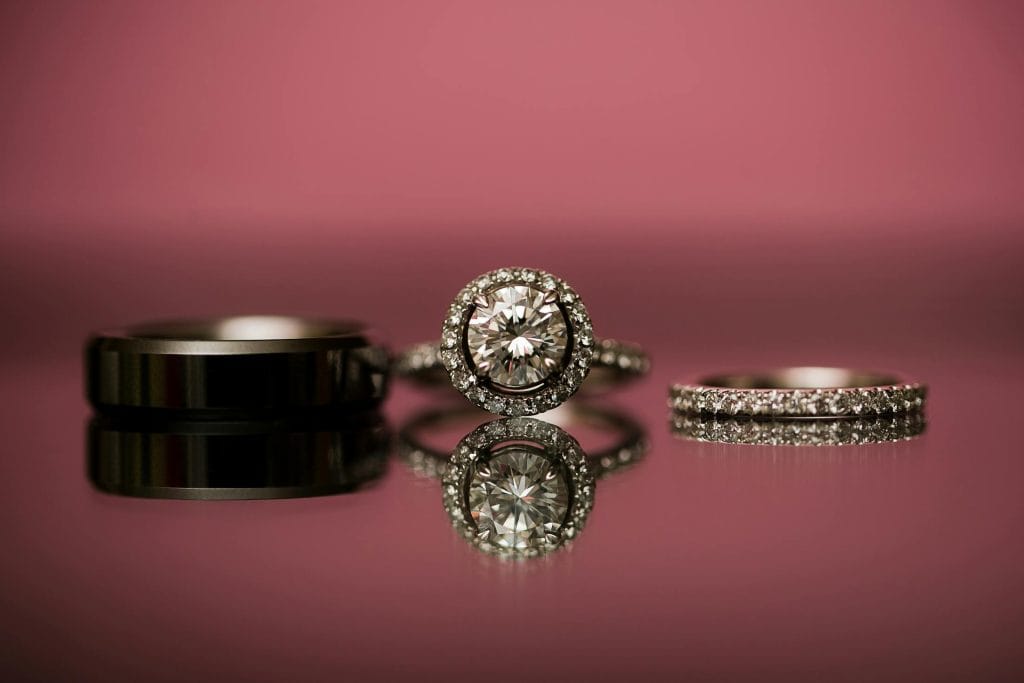
Choose a wedding ring that feels comfortable, lasts well and suits the way you live every day.
A wedding ring is not a one day purchase. It is the ring you will wear during work, travel, errands, dinners, holidays and all the ordinary moments that make up a life. That is why the best wedding ring is usually the one that feels easy rather than dramatic. It should suit your hand, your routine and the way you want the ring to work with everything else you wear.
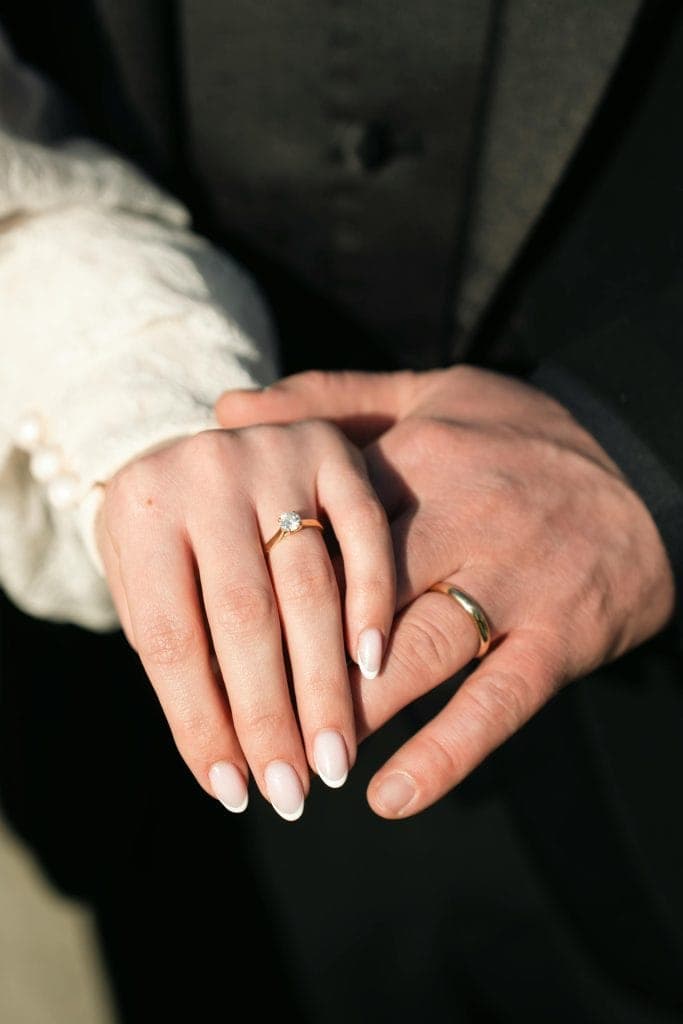
Many people begin with the look of the ring, but the more useful question is how it should feel. If the ring disappears into your everyday life in the best possible way, you are probably on the right track. Comfort, proportion and practicality are often the differences between a ring you enjoy and a ring you keep noticing for the wrong reasons.
Start with comfort, not the display case
The first thing to test is comfort. A ring can look perfect in a tray and still feel awkward once you wear it for a while. The inside profile, the width, the thickness and even the edge shape all affect how a ring feels when your hand is in motion.
Rounded inner edges often feel smoother because they move more easily over the skin. That is one reason comfort fit bands are so popular. Flat inner profiles can also work well if you want a more structured feel, but they may be more noticeable over the course of a long day. There is no single correct answer. The real test is whether the ring feels like part of your hand or like an object you keep adjusting.
Try the ring on and leave it there for more than a few seconds. Open and close your hand. Twist your wrist. Hold a pen. Carry a bag. If you can already tell the band rubs, catches or feels too heavy in a short trial, that is worth paying attention to. A wedding ring should be comfortable in a meeting, in the car, at the gym and at dinner. If it feels wrong in the shop, it will not magically improve later.
Check how the ring behaves during a normal day
The best comfort test is to imagine the ring in your normal routine. If you work with your hands, are often outdoors, type all day or wear gloves, those details matter. A band that feels elegant but sits too high may catch on clothing. A ring with sharp edges might feel fine for an hour and then become annoying by lunchtime.
It also helps to think about how often you remove jewellery. If you take rings off frequently, a ring that is slightly too fiddly can become a hassle. If you plan to wear the ring every day, the band should feel easy to put on and easy to forget about.
The more ordinary the ring feels in daily life, the better the choice usually is.
Choose the right width for your hand
Width changes the whole personality of a wedding ring. A narrow band feels delicate and quiet. A medium band feels balanced and versatile. A wide band makes more of a statement and can look very contemporary. None of those is better in isolation, but one of them is likely to suit your hand and style better than the others.
A narrow band can be lovely if you want the ring to sit discreetly beside an engagement ring or if you prefer a minimal look. It can also be a good option if your hands are small or if you want the ring to feel light. But narrow rings can disappear visually if the engagement ring is large or detailed, so they are not always the best match for every stack.
A wider ring tends to feel more substantial. Some people love that because it gives the ring presence and durability. Others find that a wide band dominates the hand or feels heavier than expected. If you are unsure, try a few widths side by side. It is often surprising how different the same design can feel once the width changes.
Think about profile as well as width
Profile is another detail that changes the feel of the ring. A flat profile gives a more modern appearance. A half round or domed ring feels softer and often more traditional. Faceted or knife edge profiles add visual interest without needing stones.
If you want the ring to feel timeless, a rounded or softly domed band is often a good place to begin. If you want something sharper or more architectural, a flat profile may suit you better. The profile can also affect how the ring sits against an engagement ring, especially if the two pieces are meant to be worn together.
The key is to look at the band from the side as well as from the top. That is where the shape becomes much more obvious.
Pick a metal that suits everyday wear
Metal choice affects style, comfort and maintenance. Yellow gold gives warmth and a classic feel. White gold and platinum create a cooler look. Rose gold offers something softer and a little more romantic. Each metal changes the way the ring looks on the hand, but each also behaves a little differently over time.
If you want a lower maintenance ring, ask how the metal will age with daily wear. Some finishes pick up scratches more easily. Some lose polish and need refreshing more often. That is normal, but it is useful to understand before you buy. A wedding ring that will be worn every day should fit your expectations for care as well as your taste.
Matching the metal to the engagement ring can create a neat, seamless set. Mixing metals can create contrast and a more personal style. Neither is wrong. What matters is whether the combination feels intentional.
Balance style and practicality
The metal should work with your skin tone, your engagement ring and your day to day life. If you are rough on jewellery, ask whether the ring can be easily cleaned or polished later. If you want a ring that will keep a brighter finish, ask how often it needs attention. If you like the soft character of a ring that develops more wear over time, ask how it will change.
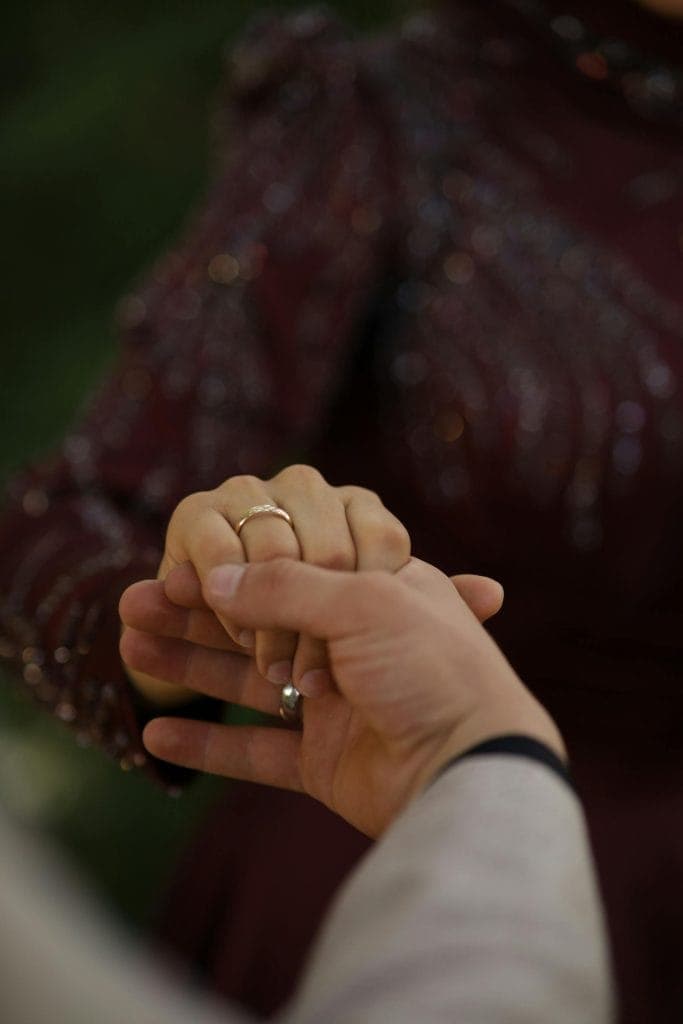
The right metal is not only about what looks best in a photo. It is about what feels right after six months of real wear.
Decide whether you want plain, textured or set with stones
A plain band is a classic because it is versatile, easy to pair and usually comfortable to wear. But plain does not mean dull. Finish and shape can change the feeling of the ring more than many people realise. A brushed finish feels relaxed, a polished finish feels brighter, and a hammered or matte finish creates more texture and personality.
If you want more detail, engraving can add character without making the ring overly busy. Small diamonds or other stones can add sparkle, but they also change the ring’s maintenance needs. A stone set wedding ring may need more care than a plain band, especially if it is worn every day.
The right choice depends on how you want the ring to age. A plain ring often becomes a quiet part of your life. A textured or stone set ring can keep a little more visual interest, which some people love. Neither approach is better. It just depends on how much detail you want to live with every day.
Consider how much attention you want the ring to draw
Some people want the wedding band to be understated so the engagement ring stays the star. Others want the band to have its own voice. If that matters to you, think about balance. A plain band will recede. A stone set or carved band will stay more visible. The best answer is the one that feels true to your style.
Make sure it works with the engagement ring
If you plan to wear the wedding ring with an engagement ring, try the two together before making the final choice. A ring that looks good by itself can behave differently once another ring is added. One may sit too high, the edges may rub or the combined width may feel heavier than expected.
Straight bands usually work well with many engagement rings, but curved or contoured bands can be a better fit if the setting rises high or the ring has an unusual profile. If you already know you want a very close fit, a custom made band may be worth the extra effort because it will be shaped around the exact ring you own.
The goal is not only visual harmony. It is also physical comfort. The two rings should sit naturally together and feel like they were meant to share the same finger.
Think ahead if you want a stack later
If you think you may add another ring later, keep that in mind now. A simple band is often the most flexible because it can sit alone or beside future rings. A decorative band may be perfect now, but it could make later stacking more difficult if the design becomes too crowded.
If you are planning a set, try to imagine the stack in stages. Does the wedding ring still make sense if you add an eternity band later? Does it still look balanced if the engagement ring is worn less often? A little foresight now can save a lot of frustration later.
Ask the jeweller the questions that matter
The right jeweller should make the decision feel clearer, not more confusing. Ask whether the ring can be resized later, how the finish will hold up, whether the band can be custom fitted and what aftercare is included. If the engagement ring came from somewhere else, bring photos and side view measurements so the jeweller can see how the two pieces might work together.
If you are shopping online, check that the photos show the ring from multiple angles. Look for clear dimensions, metal details and return information. A good seller will not be vague about fit or finish.
It is also smart to ask about maintenance. Will the ring need polishing? Can it be cleaned easily? Will engraving affect resizing? Those are small questions, but they matter when a ring is being worn every day.
Make the final choice with a simple checklist
If you are stuck between a few options, use a straightforward checklist. Does the ring feel good on the hand? Does it work with the engagement ring? Does the width suit your hand and style? Does the metal fit your lifestyle? Can you imagine wearing it without thinking about it all day?
If the answer is yes to most of those questions, you are probably close to the right choice. A good wedding ring does not need to be the loudest piece in the set. It just needs to feel complete, easy and natural.
That is usually the sign you have chosen well. The ring disappears into your life in the best possible way.
Where to go next
Compare jewellers, designers and valuation services across Australia.
Open page Browse custom design studiosUseful when you need bespoke work, remodelling or engagement-ring advice.
Open page View repair and valuation servicesCompare practical aftercare services before you visit a jeweller.
Open pageMore guides to explore

Mazzucchelli’s Chapter 123 Collection: Seven Diamond Designs Explained
A neutral overview of Mazzucchelli’s seven-piece Chapter 123 yellow-gold and natural-diamond collection, with practical details for comparing each…
Read guide
Australian Jewellery Industry Statistics 2026: Directory Report
Explore 2,341 Australian jewellery listings in this 2026 report. See state-by-state data, top services, and where businesses cluster.…
Read guide
How to Choose a Jewellery Making Class
A practical guide to comparing jewellery making classes, including project types, materials, pricing, class sizes and what to…
Read guide
Comments
0 comments
Be the first to comment
Share your thoughts, experience or question below.
Leave a comment
Share your thoughts or ask a question. Your email address will not be published.