
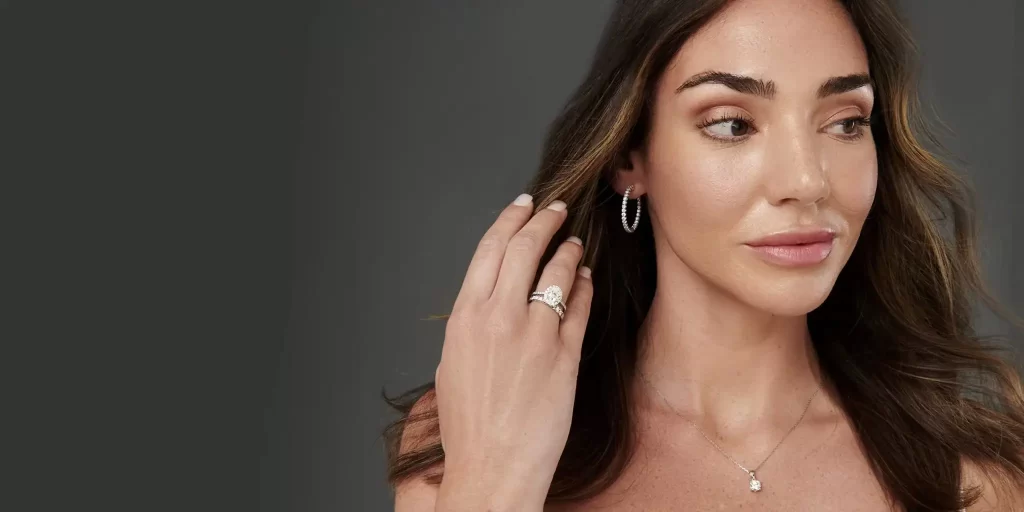
A clear guide to round, oval, pear, cushion and emerald diamond shapes for buyers comparing style and wearability.
Diamond shape is one of the first things people notice about an engagement ring, but it also affects far more than appearance alone. Shape changes how a ring feels on the hand, how much finger coverage it gives and how formal, soft or modern the overall design looks.
That is why choosing a shape is often more useful than obsessing over technical details too early. When buyers compare shapes first, the field becomes easier to manage and the rest of the decisions usually start to fall into place.
Key takeaways
- Shape changes the style and feel of a ring more dramatically than many first-time buyers expect.
- The most popular shapes each bring a different balance of sparkle, softness, structure and finger coverage.
- The right shape is usually the one that suits the wearer’s taste and daily style, not the one that is simply most popular.
Round, oval and the familiar favourites
Round diamonds remain popular because they feel classic and versatile. They suit a wide range of settings and usually look at home in both minimalist and more detailed ring designs.
Oval diamonds often appeal to shoppers who want a softer, more elongated look. They can make the finger look longer and often feel elegant without being overly traditional. Pear and cushion shapes sit somewhere different again, offering either a more distinctive silhouette or a softer, romantic feel.
Structured shapes and strong lines
Emerald and radiant cuts often attract buyers who prefer a cleaner, more architectural look. These shapes can feel sophisticated and deliberate, especially in sleek settings or with crisp metalwork.
The decision here is rarely about technical superiority. It is more about personality. Some shapes feel bold and directional, while others feel classic and understated. Looking at shapes side by side is often the fastest way to work out which look feels right.
Think about finger coverage and setting style
Two stones of similar overall presence can feel very different depending on shape. Elongated shapes like oval or pear can give a different visual spread from a round stone, and that may matter to shoppers trying to balance appearance with budget.
Shape also interacts with the setting. Some shapes feel strongest in solitaires, while others come alive with halos or more detailed side profiles. That is why the best comparisons usually happen in actual ring designs, not only on paper.
Choose the shape you keep coming back to
Many buyers eventually find that one shape keeps standing out, even after they compare several options. That is usually a useful sign. The shape that feels right tends to keep feeling right once you factor in budget, setting and metal choice.
Rather than trying to choose the objectively best shape, focus on which one matches the wearer’s personal style and the kind of ring they will still love after the novelty of shopping has worn off.
How to compare diamonds more confidently in person
Many buyers understand a topic better once they see real stones or finished rings side by side. That is when the language stops being abstract and starts making sense in visual terms. If you are unsure, ask the jeweller to compare like with like so the difference is easier to read.
The point is not to memorise every technical detail. It is to connect the explanation to what you can actually see and how the final ring will feel in context.
Where shoppers often get stuck
People commonly assume there must be a single technically correct answer. In reality, most diamond decisions are about preference, balance and what matters most within the broader ring design. That is why two buyers can be well informed and still make different choices.
If a comparison starts to feel overwhelming, step back and ask which visual or practical factor matters most to you. That often brings the decision back into focus.
A practical decision framework
Try narrowing the decision in this order: what look you prefer, how the ring should feel overall, how much of the budget should go toward the stone and whether the option still feels right once you see it in a real ring design.
- Choose the visual direction first.
- Compare stones or shapes in a setting context, not isolation alone.
- Use budget as a balancing tool, not the only filter.
How to narrow the shape decision without second-guessing yourself
If you are torn between a few shapes, stop trying to compare every trait at once. Instead, ask which option feels most aligned with the wearer and the kind of ring you want to build around it. When a shape still feels right after you compare it in a realistic setting, that is usually a stronger signal than abstract research alone.
It also helps to take note of which shapes you keep returning to. Buyers often recognise the right direction before they feel confident enough to call it. A shortlist becomes much easier when you trust the response you are having to the ring as a whole, not just the loose shape category.
Frequently asked questions
Which diamond shape is the most classic?
Round is often seen as the most classic, but plenty of buyers prefer oval, cushion or emerald for a more distinctive feel.
Does shape affect how large a stone looks?
Yes. Different shapes can create different visual spread and finger coverage, which changes how prominent the ring feels.
Should I choose shape before setting?
Usually, yes. Shape helps narrow the design direction and makes setting choices easier to compare.
Is there a right shape for every hand?
Not really. Some shapes may flatter certain proportions, but personal taste matters more than rigid rules.
How should I compare shapes in person?
Ask to see them in similar settings and at a similar scale so you can judge the overall look rather than just the loose stone.
Need help comparing ring styles?
Use Jewellink to compare jewellers and ring styles once you know which shapes suit you best.
Where to go next
Compare jewellers, designers and valuation services across Australia.
Open page Browse custom design studiosUseful when you need bespoke work, remodelling or engagement-ring advice.
Open page View repair and valuation servicesCompare practical aftercare services before you visit a jeweller.
Open pageMore guides to explore

Mazzucchelli’s Chapter 123 Collection: Seven Diamond Designs Explained
A neutral overview of Mazzucchelli’s seven-piece Chapter 123 yellow-gold and natural-diamond collection, with practical details for comparing each…
Read guide
How to Buy an Engagement Ring Without Getting Overwhelmed
A step-by-step guide to buying an engagement ring without second-guessing every detail.
Read guide
How to Choose a Wedding Band for Your Engagement Ring
A practical guide to matching a wedding band to your engagement ring, with comfort and style in mind.
Read guide
Comments
0 comments
Be the first to comment
Share your thoughts, experience or question below.
Leave a comment
Share your thoughts or ask a question. Your email address will not be published.