
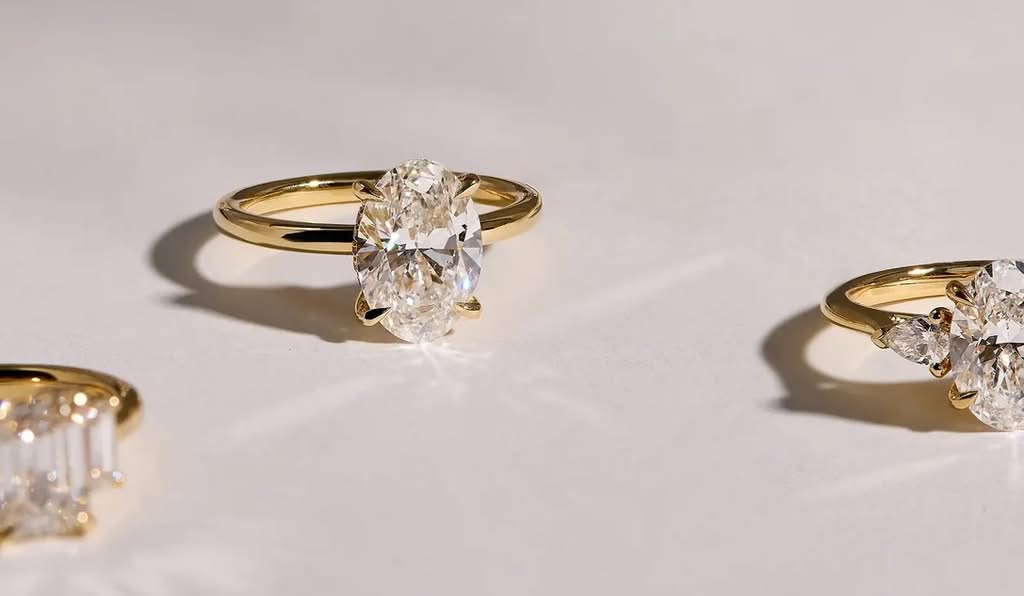
An approachable guide to the custom jewellery process, including how it works, who it suits and what to ask before starting.
Custom jewellery design appeals to people who want something more personal than an off-the-shelf piece, but the process can feel hard to picture if you have never done it before. Some shoppers imagine it will be overly complicated or far beyond reach, while others assume it is just a faster version of standard retail.
In reality, custom work usually sits somewhere between creativity and careful decision-making. It is not about needing every detail figured out on day one. It is about working with a jeweller or designer who can shape an idea into a finished piece that suits your budget, priorities and wear habits.
Key takeaways
- Custom design is a guided process, not something you need to solve on your own first.
- The best outcomes come from clear communication, realistic timelines and a jeweller whose style matches your goals.
- Custom work is often worth considering when fit, sentiment or design specificity matter more than quick convenience.
What the process usually looks like
Most custom jewellery projects begin with a conversation rather than a finished concept. You might have reference images, a stone, an old piece to remodel or just a rough idea of the look you want. From there, a jeweller helps narrow the style direction and define the scope of the piece.
As the project moves forward, design details become clearer. That may involve sketches, material discussions, stone options or structural decisions that affect wearability. The process does not need to be intimidating when each step is explained properly.
Why people choose custom over standard retail
Custom design is often chosen because shoppers want more control over the final result. That may mean a ring that fits a very specific personal style, a piece that incorporates heirloom materials or a design that solves practical problems a ready-made piece cannot address.
For some buyers, the value is emotional. For others, it is simply about getting the right proportions, setting or detail instead of settling for something close enough. The reason matters less than being clear about what success looks like for you.
Questions to ask before you begin
The right questions usually focus on process, timing and fit. Ask how the jeweller approaches design development, how changes are handled and what decisions need to be made early in the process. It is also useful to ask what kind of reference material helps and what the jeweller sees as realistic within your budget.
You are not just choosing a service. You are choosing a collaborator. Good communication matters as much as technical skill.
Who custom design tends to suit best
Custom work often suits buyers who care deeply about design fit, want something personal or need a more tailored solution than standard retail offers. It also suits people who are willing to spend a little more time getting the details right.
If speed is the only priority, ready-made jewellery may sometimes be the better path. If personal fit and thoughtful decision-making matter more, custom design can be well worth exploring.
How to prepare for the first consultation
The first meeting goes more smoothly if you arrive with a few useful reference points. That might be images, examples of jewellery the wearer already owns or simply a short list of words that describe the mood you want the piece to have.
You do not need a complete design. You just need enough direction for the jeweller to understand what success looks like to you.
What makes a strong custom brief
A strong brief usually combines style preference with practical constraints. It covers how the piece should feel, how it will be worn and what absolutely matters most in the final result. That gives the jeweller something useful to design against.
- Clarify the style direction you want.
- Be honest about the budget range.
- Flag any sentimental materials or stones early.
- Explain how often the piece will be worn.
How to know if bespoke is worth it for you
Custom work is usually worth considering when you want something more specific than standard retail offers, when sentimental details matter or when overall fit is more important than immediate speed. If those points resonate, bespoke can be a very sensible path.
What makes a custom project feel successful
A successful custom project usually feels clear at every stage, even when the design itself is evolving. You should understand what decisions are being made, what options are still open and where the jeweller needs your input. That clarity keeps the project collaborative rather than stressful.
The strongest custom outcomes also come from realistic alignment between the brief, the budget and the time frame. If those three points are discussed honestly from the start, the process tends to feel much more enjoyable and much less uncertain.
Frequently asked questions
Do I need a complete design idea before I start?
No. Many custom projects begin with only a rough idea, a reference image or a conversation about what the piece should feel like.
Is custom jewellery always more expensive?
Not always, but the value usually comes from fit, process and design specificity rather than bargain pricing.
How do I choose the right designer or jeweller?
Look for someone whose style, communication and process match the kind of piece you want to create.
Can old jewellery be reused in a custom piece?
Sometimes, yes. A jeweller can explain whether an existing stone or metal is suitable for reuse.
What makes a custom project run smoothly?
Clear expectations, sensible timelines and honest communication at each stage usually matter most.
Looking for a custom jewellery designer?
Use Jewellink to compare custom jewellers and makers before you start a bespoke project.
Where to go next
Compare jewellers, designers and valuation services across Australia.
Open page Browse custom design studiosUseful when you need bespoke work, remodelling or engagement-ring advice.
Open page View repair and valuation servicesCompare practical aftercare services before you visit a jeweller.
Open pageMore guides to explore

Mazzucchelli’s Chapter 123 Collection: Seven Diamond Designs Explained
A neutral overview of Mazzucchelli’s seven-piece Chapter 123 yellow-gold and natural-diamond collection, with practical details for comparing each…
Read guide
How to Buy an Engagement Ring Without Getting Overwhelmed
A step-by-step guide to buying an engagement ring without second-guessing every detail.
Read guide
How to Choose a Wedding Band for Your Engagement Ring
A practical guide to matching a wedding band to your engagement ring, with comfort and style in mind.
Read guide
Comments
0 comments
Be the first to comment
Share your thoughts, experience or question below.
Leave a comment
Share your thoughts or ask a question. Your email address will not be published.