
Understand jewellery valuations for insurance, what they should include and when to update them.
Jewellery valuations are easy to put off because they feel like paperwork rather than part of the joy of owning a piece. But if you have a ring, necklace, bracelet or watch that matters to you, a proper valuation can save a lot of stress later. It helps you understand what the item is worth for replacement, and it gives your insurer clearer information if something is lost, stolen or damaged.
The key idea is simple. The valuation should make it easier to replace the piece fairly if something goes wrong. That means the report needs to be clear, detailed and current. If it is vague, outdated or missing important information, it may not help much when you actually need it.
Understand what a valuation is for
A jewellery valuation for insurance is not usually about resale value. It is generally about replacement value, which is the amount needed to replace the item like for like or as closely as possible. That distinction matters because it changes how the piece is described and how it is used later.
If the valuation is for a family ring, custom piece or older item, the report should explain what makes the item distinct. Size, metal, gemstone quality, workmanship, condition and identifying marks all help build a fuller picture. The clearer the report, the easier it is to use if the item needs to be claimed or replaced.
This is especially useful for pieces that are hard to compare against a standard retail item. A bespoke ring or a ring with a specific design story needs more than a rough guess.
Replacement value is not the same as emotional value
It can be hard to separate the two because jewellery often carries memories. But insurers need a practical description of the item, not just a sentimental one. That is why the report has to be specific. It gives the piece a documented identity that can be used if the worst happens.
Know what a good valuation should include
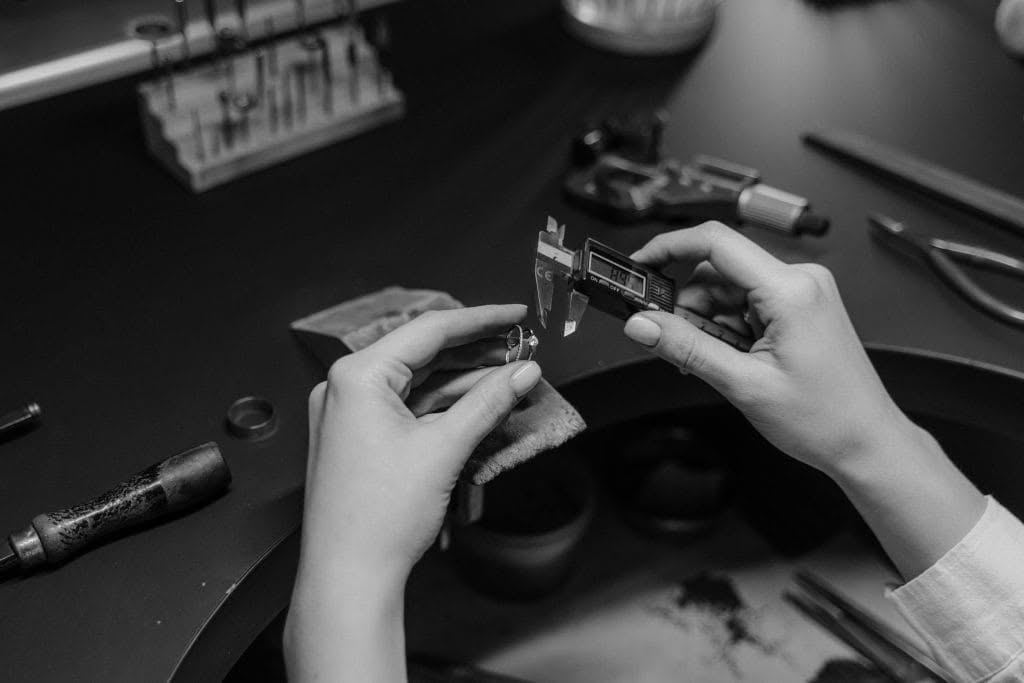
A useful valuation should do more than name the item and give a dollar figure. It should describe the piece in enough detail that someone could identify it later. That usually means a description of the metal, any gemstones, measurements, stone sizes, weight if relevant, condition and any visible hallmarks or maker’s marks.
Good photographs also matter. Clear images from different angles help support the written description and give the insurer a better record of what the piece looked like at the time of valuation. If you still have the receipt, certificate, box or service records, keep those with the valuation too.
The more complete the record, the easier it is to show what the item was and why it was valued the way it was. That can matter a great deal if the item is no longer available in exactly the same form later.
Ask for detail if the piece is unusual
If the jewellery is custom made, antique, handmade or made with less common stones, ask the valuer to describe it carefully. Unusual pieces benefit from a report that explains why replacement is not straightforward. That detail can be important if the insurer needs to understand why a simple price lookup is not enough.
Which pieces should be valued
Not every item needs the same level of documentation, but anything of real value or significance is worth considering. Engagement rings, wedding rings, heirloom pieces, diamond earrings, fine necklaces, bracelets and luxury watches are all common candidates for valuation.
If the item would be difficult to replace quickly or exactly, that is a good sign it should be documented properly. Family pieces are especially important because they can be irreplaceable emotionally even if they have a clear market value. The same is true for custom work, where the design, craftsmanship or stone combination may be unique.
It is also smart to think about gifts. If you received a piece years ago and have never checked its documentation, that does not mean it is not worth valuing. It just means the paperwork may be overdue.
Think about how the piece is used
Jewellery that is worn daily may need a different level of attention than jewellery that is stored for special occasions. Rings and bracelets are more likely to experience wear, resizing or repairs. Pieces that are worn often should have records that are easy to update.
Update valuations when the piece changes
Jewellery does not always stay the same. Rings get resized, stones get replaced, clasps are repaired, settings are tightened and market values shift over time. That means a valuation can go stale faster than people expect.
If the piece has changed materially, or if you have not reviewed the valuation for several years, it may be time to refresh it. This is especially true for custom pieces, stones that have become more expensive to replace or jewellery that you have had repaired since the original report.
Even if nothing obvious has changed, it is worth checking whether the document is still aligned with your current insurance needs. An old valuation may be better than nothing, but it may not tell the right story if you ever need it.
Do not leave it too long between reviews
A lot of people set and forget valuation paperwork. That can be risky because replacement costs change, and a piece can easily fall out of sync with the report. A periodic review keeps the documentation useful.
Choose the right valuer
Not every piece needs the same type of assessment, so choose a valuer who understands the item you own. A fine diamond ring, an antique brooch and a contemporary designer necklace may need slightly different expertise. The person doing the valuation should be able to describe the piece clearly and explain the basis of the value.
If you are unsure where to start, use Jewellink to find jewellers and valuation services in your area, then ask about experience, turnaround time and what information they need from you. A good valuer will tell you how to prepare the piece and what documents are helpful.
It also helps to ask whether the valuer provides photographs, how detailed the written description will be and whether they can update the report later if the item changes. Good service is usually easy to recognise because the process feels organised.
Ask how the valuation is structured
Before you book, ask whether the valuation is for insurance, retail replacement or another purpose. That one question can prevent confusion later because different reports can be written for different uses.
Keep your records organised
One of the most common mistakes is storing the valuation somewhere that no one can find later. Keep the report, photos, invoices and any certificates together in a safe place. A digital copy is helpful, but it should be backed up somewhere reliable too.
If you own multiple pieces, build a simple record for each one. You do not need an elaborate archive. You just need enough information that you can quickly identify the piece, explain its value and show the insurer what it looked like.
If you are buying a new piece, it is smart to think about valuation and insurance from the start rather than leaving it until later. That way the paperwork is ready before you need it.
Keep one folder for each important piece
It can be as simple as a digital folder with the valuation, receipt, photos and notes. The goal is not bureaucracy. The goal is to make future claims or updates easier.
What to do before you insure a piece
Before you arrange or renew insurance, make sure the description in the policy matches the item you own. Check that the valuation is current, the item details are accurate and the cover amount reflects the replacement value rather than an old estimate.
If the piece matters enough that you would want it replaced properly, it is worth documenting properly. That is really what a jewellery valuation is for. It gives the piece a paper trail, makes insurance easier to manage and helps you protect something that may be impossible to replace emotionally.
Jewellery can hold memory, craftsmanship and value all at once. A good valuation respects all three.
Where to go next
Compare jewellers, designers and valuation services across Australia.
Open page Browse custom design studiosUseful when you need bespoke work, remodelling or engagement-ring advice.
Open page View repair and valuation servicesCompare practical aftercare services before you visit a jeweller.
Open pageMore guides to explore
Australian Jewellery Industry Statistics 2026: Directory Report
Explore 2,341 Australian jewellery listings in this 2026 report. See state-by-state data, top services, and where businesses cluster.…
Read guide
How to Choose a Jewellery Making Class
A practical guide to comparing jewellery making classes, including project types, materials, pricing, class sizes and what to…
Read guide
How to Choose a Wedding Band for Your Engagement Ring
A practical guide to matching a wedding band to your engagement ring, with comfort and style in mind.
Read guide
Comments
0 comments
Be the first to comment
Share your thoughts, experience or question below.
Leave a comment
Share your thoughts or ask a question. Your email address will not be published.