
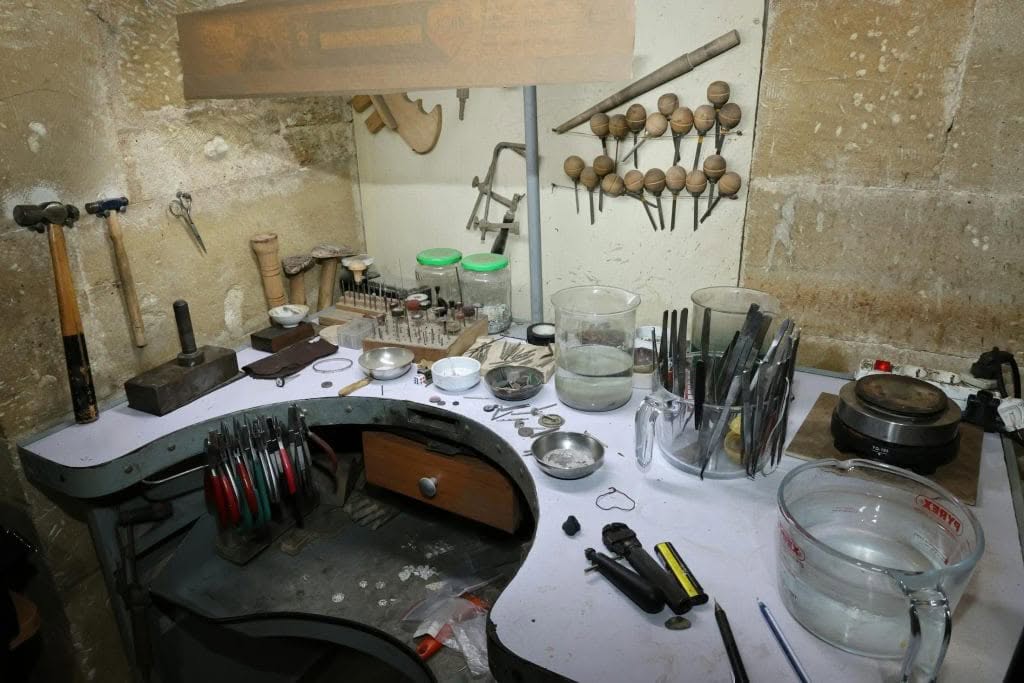
A practical guide to comparing jewellery making classes, including project types, materials, pricing, class sizes and what to check before booking.
Jewellery making classes can be a brilliant way to try a new craft, make a piece with a personal story or plan an experience that feels more memorable than a standard day out. But classes vary widely. Some are relaxed social workshops, while others introduce genuine bench skills such as sawing, soldering, forming and polishing.
The right choice depends on what you want to make, how hands-on you want the session to be and whether you are booking for yourself, a couple or a group. If you are ready to compare current options, start with our curated page of jewellery making classes from ClassBento, including ring-making workshops, online kits and classes in major Australian cities.
Start with what you want to make
A clear project makes comparing classes much easier. A broad “jewellery workshop” might focus on beading, resin, polymer clay or simple assembly. A silversmithing class is more likely to involve metalworking techniques and specialist tools. Neither is automatically better; they simply produce different experiences and finished pieces.
Popular beginner projects include:
- sterling silver or gold rings;
- stacking rings and textured bands;
- earrings made from silver, copper, resin or polymer clay;
- beaded necklaces and bracelets;
- silver-clay pendants and charms;
- wax-carved jewellery prepared for casting; and
- personalised pieces stamped with initials, dates or short messages.
Look closely at the project photographs and description. “Ring making” can mean anything from shaping wire to fabricating a solid silver band, so the process should be explained clearly before you book.
Check whether the class is genuinely beginner friendly
Most experience-style workshops are designed for complete beginners, but it is still worth checking. A good listing should state whether previous jewellery-making, soldering or tool experience is required.
Beginner-friendly does not mean you will only complete a basic craft project. With the right teacher and class size, a first-time maker can often learn to measure, texture, form, solder and finish a wearable piece in one session. The important part is that the project has been designed around the available time and the teacher can guide each participant safely.
Understand what the advertised price includes
The workshop price may include tuition, studio tools and a standard allowance of materials. Precious metals, gemstones, casting, gold upgrades or additional pieces can sometimes cost extra.
Before booking, check:
- whether sterling silver or another metal is included;
- whether gold is included or offered as an upgrade;
- how many finished pieces you will make;
- whether stones, chains or findings cost extra;
- whether a cast piece will be posted or collected later; and
- the cancellation and rescheduling conditions.
Comparing the inclusions is more useful than comparing headline prices alone. A higher-priced class may include more metal, a longer session or more individual instruction.
Choose the right format for the occasion
Solo classes
Booking alone can be a comfortable way to learn. Public classes usually bring together a small group, and the activity gives everyone an easy shared focus. Look for regularly scheduled beginner sessions if you want the widest choice of dates.
Date ideas and workshops for two
Ring-making and personalised jewellery workshops work especially well for couples because you leave with something connected to the experience. Check whether the class is public or private and whether the price shown is per person or per pair.
Birthdays, hens parties and team activities
Groups need a project that can be completed at different speeds. Beading, charm bars, earrings, resin and simple metal-stamping workshops can be easier to scale than technical bench classes. Confirm the minimum group size, whether the teacher can travel to your venue and what setup is required.
Online classes and delivered kits
An online jewellery class can suit people outside major cities or anyone looking for a gift that can be completed at home. Read the kit contents carefully and check whether common household tools are also required. Our ClassBento jewellery-class guide includes a direct route to current online classes and delivered craft kits.
Look at duration and class size
A short social workshop might run for one or two hours. A technical ring-making, setting or wax-carving session can take half a day, a full day or several weekly sessions.
Class size matters when the process includes flames, saws, drills or detailed finishing. Smaller groups generally allow more individual guidance. Larger sessions can still work well for simpler projects or when several teachers are present.
Reviews are useful here. Look for comments about how much help participants received, whether the class felt rushed and whether beginners completed the advertised project.
What to wear and bring
The class listing should include specific safety instructions. For a bench-based workshop, closed shoes are usually sensible, and long hair may need to be tied back. Avoid loose sleeves or jewellery that could catch on equipment.
You may also want to bring:
- reading glasses if you use them for close work;
- design references permitted by the teacher;
- water and a snack for longer sessions; and
- a phone for progress photographs, where studio rules allow it.
Do not bring valuable stones or heirloom metal unless the teacher has explicitly confirmed they can be used. Working with sentimental materials requires a different level of planning and risk management.
How far in advance should you book?
Popular weekend workshops and private sessions for couples can book out earlier than weekday classes. Group bookings also need more lead time because the studio must reserve enough equipment, materials and teaching support.
If your dates are flexible, compare several teachers and locations. A nearby suburb may have a better class format than the closest city-centre option. For a gift, check whether the recipient can select their own date or whether a gift card offers more flexibility.
Questions to ask before booking
- Is this class suitable for a complete beginner?
- What exactly will I make and take home?
- Which materials are included in the listed price?
- Are there optional upgrades or later casting costs?
- How many people will be in the class?
- Is the venue accessible and easy to reach?
- What happens if I need to reschedule?
- Will the finished piece be ready on the day?
Find a jewellery making class
The best class is the one that matches your project, confidence level, occasion and budget. Start with the outcome you want, read the inclusions carefully and use recent reviews to understand how the workshop runs in practice.
Browse jewellery making classes on Jewellink to compare popular ClassBento choices, explore ring-making workshops, find online kits or jump directly to live classes in Sydney, Melbourne, Brisbane, Perth, Adelaide, Canberra, Hobart and the Gold Coast.
Where to go next
Compare jewellers, designers and valuation services across Australia.
Open page Browse custom design studiosUseful when you need bespoke work, remodelling or engagement-ring advice.
Open page View repair and valuation servicesCompare practical aftercare services before you visit a jeweller.
Open pageMore guides to explore

Mazzucchelli’s Chapter 123 Collection: Seven Diamond Designs Explained
A neutral overview of Mazzucchelli’s seven-piece Chapter 123 yellow-gold and natural-diamond collection, with practical details for comparing each…
Read guide
Australian Jewellery Industry Statistics 2026: Directory Report
Explore 2,341 Australian jewellery listings in this 2026 report. See state-by-state data, top services, and where businesses cluster.…
Read guide
How to Choose a Wedding Band for Your Engagement Ring
A practical guide to matching a wedding band to your engagement ring, with comfort and style in mind.
Read guide
Comments
0 comments
Be the first to comment
Share your thoughts, experience or question below.
Leave a comment
Share your thoughts or ask a question. Your email address will not be published.